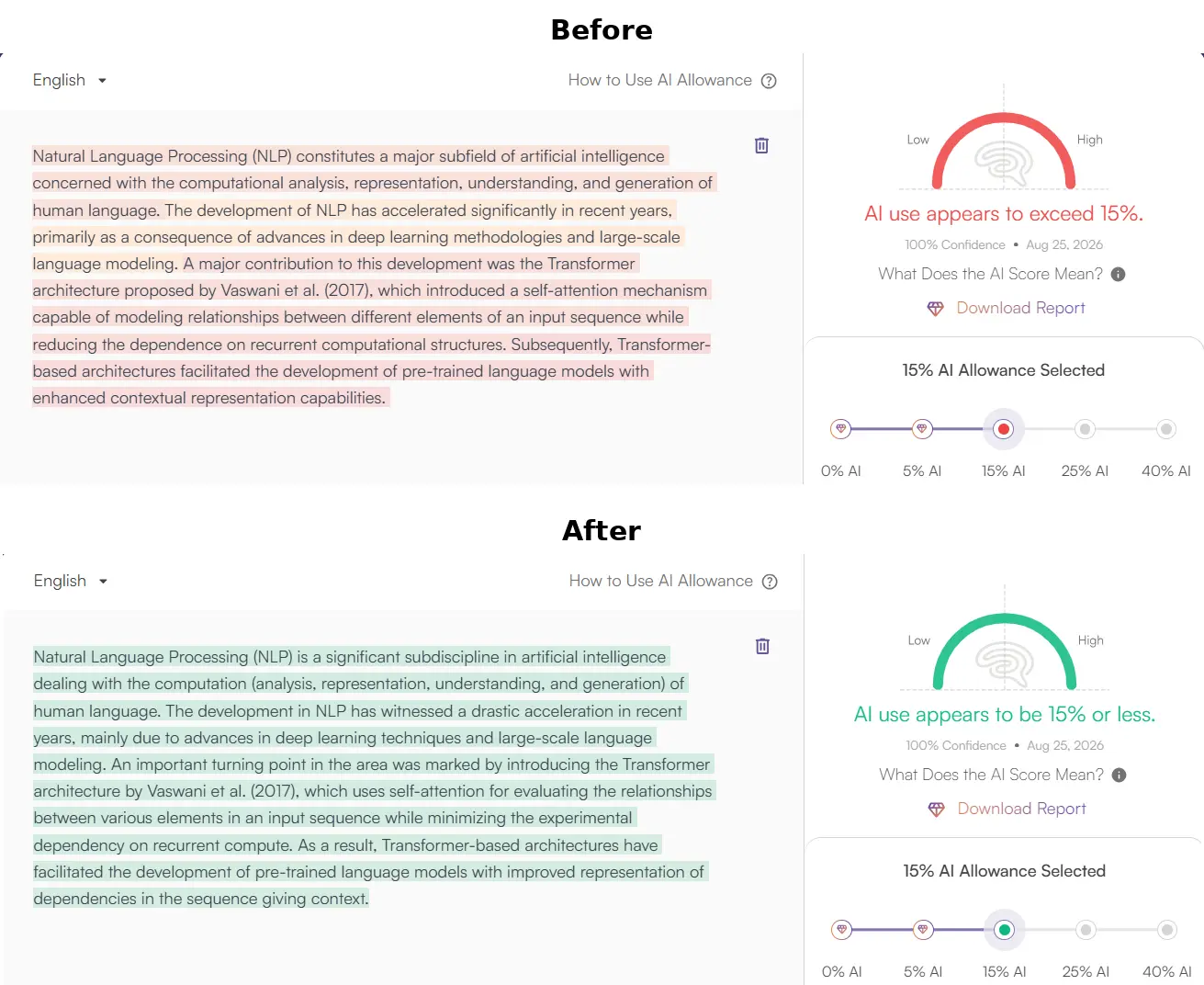
Does ChatGPT Watermark Text? The Technical Facts & Watermark Remover Truth
Does ChatGPT insert invisible text watermarks? Discover the technical truth about AI watermarking research, statistical perplexity, and metadata removal.
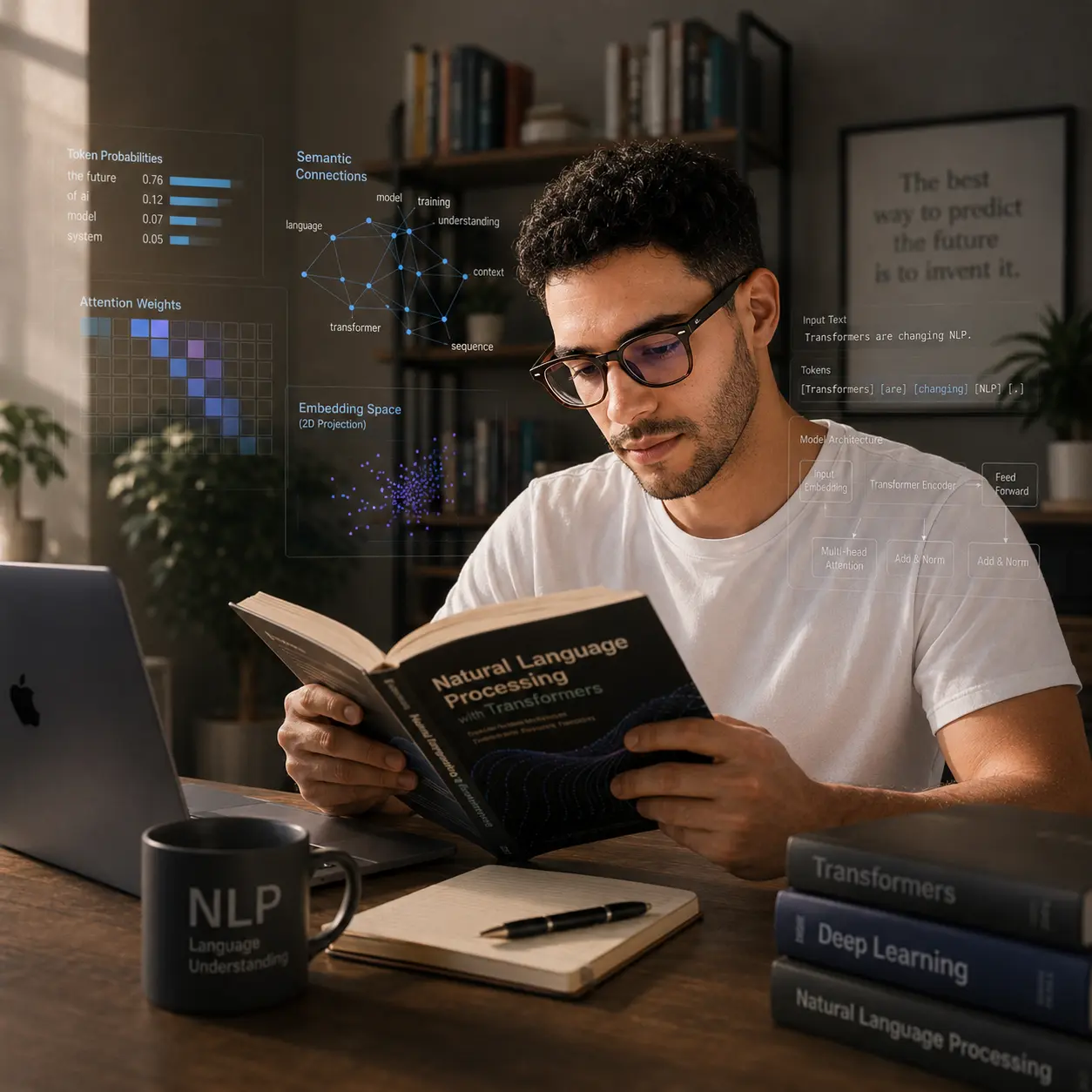
As of 2026, OpenAI does **not** embed active invisible cryptographic watermarks in plain-text outputs generated by ChatGPT. When users search online for a "ChatGPT watermark remover," they are usually confusing four distinct technical concepts: copy/paste clipboard formatting artifacts, hidden HTML tags, statistical token predictability (perplexity), and theoretical cryptographic watermarking research.
Understanding the fundamental technical difference between these concepts explains why online "watermark remover" sites are often misleading scams, and why authentic structural editing is the only reliable path for academic authors refining AI-assisted drafts.
Direct Answer: Does ChatGPT Use Invisible Plain-Text Watermarks?
No. When you generate text in ChatGPT and copy it into your document editor, plain text contains standard Unicode characters without hidden tracking codes or embedded secret signatures. OpenAI has published extensive research on cryptographic watermarking (biasing word choices during sampling), but has not deployed invisible text watermarks across standard consumer ChatGPT models due to international character set limitations and text editing vulnerabilities.
AI detectors like Turnitin, Copyleaks, and GPTZero do not search for a hidden "watermark code." Instead, they analyze statistical probability distributions inherent in machine-generated prose. If you need to refine ChatGPT text for academic review, explore how ThesisHuman refines sentence cadence while preserving citations.
4 Types of AI Text Signals (What People Confuse as Watermarks)
To evaluate AI text scanning accurately, examine the four distinct categories of text signals:
1. Visible Formatting Artifacts (Markdown Bolding, List Colons, Transition Clichés)
ChatGPT output features recognizable stylistic habits: headers bolded with markdown asterisks (**Header**), numbered lists ending with colons, and repetitive transition words ("delve", "tapestry", "pivotal", "in summary"). These are stylistic conventions, not secret tracking codes.
2. Clipboard Metadata and Hidden HTML Characters
When copying text from the ChatGPT web browser interface into Microsoft Word or Google Docs, hidden HTML background formatting tags transfer to your clipboard. Pasting text as unformatted plain text (Ctrl+Shift+V on Windows or Cmd+Shift+V on Mac) instantly strips all clipboard metadata.
3. Statistical Token Distributions (Perplexity & Burstiness)
This is what AI detectors actually evaluate. LLMs select statistically probable words (low perplexity) and maintain uniform sentence lengths (low burstiness). Detectors classify text based on these mathematical distributions.
4. Cryptographic Watermarking Research (Green-List Token Sampling)
Academic researchers have developed theoretical watermarking schemes that partition a model's vocabulary into "green" and "red" token lists during generation. While mathematically fascinating, cryptographic watermarks can be easily erased by editing a few words, which is why commercial LLMs do not rely on them for plain text.
Why "ChatGPT Watermark Remover" Sites Are Misleading
Websites advertising automated "watermark removal" capitalize on user misunderstanding. Because plain text contains no hidden cryptographic code to strip, these tools are simply generic synonym spinners under a different marketing label.
Technical Warning for Researchers
Generic "watermark remover" sites use automated thesaurus engines that randomly substitute words. On academic manuscripts, this destroys inline citations like (Smith et al., 2024), corrupts LaTeX math formulas, and creates grammatical errors without altering the underlying low-perplexity sentence structure.
Technical Dangers of Automated Synonym Spinning on Academic Papers
Relying on generic rewriters introduces severe risks for scholarly submissions:
- Broken References: Replaces author names and publication dates inside brackets with non-standard synonyms.
- Mangled STEM Terminology: Substitutes exact scientific terms (e.g., transforming "polymerase chain reaction" into "polymer chain response").
- LaTeX Compilation Errors: Strips backslashes and formatting brackets in math environments, breaking document compilation.
How to Properly Refine ChatGPT-Assisted Drafts for Publication
Instead of using misleading watermark remover sites, follow this authentic editing workflow:
- Paste as Plain Text: Strip background HTML formatting using
Ctrl+Shift+V. - Vary Sentence Cadence: Mix short assertions with multi-clause analytical sentences to increase burstiness.
- Inject Primary Evidence: Include specific raw data points, study locations, and page numbers.
- Use Citation-Aware Tools: Use ThesisHuman to naturalize prose while locking citations and equations.
Verified Detector Clearance for Does ChatGPT Watermark Text? The Technical Facts & Watermark Remover Truth
Every manuscript processed through ThesisHuman is backed by verifiable, reproducible scans across institutional plagiarism and AI detection platforms.
1. ThesisHuman Editor: Style, Field & Term Lock™ Technology
Unlike consumer-grade paraphrasers that blindly swap words with thesaurus synonyms, ThesisHuman allows researchers to select their exact Academic Style (Essay, Research Paper, Literature Review, Technical Report) and Academic Field (Computer Science, Engineering, Medicine, Physics). With Term Lock™, citations (APA, MLA, IEEE), LaTeX equations, and domain-specific terminology are cryptographically protected before sentence entropy is restructured.
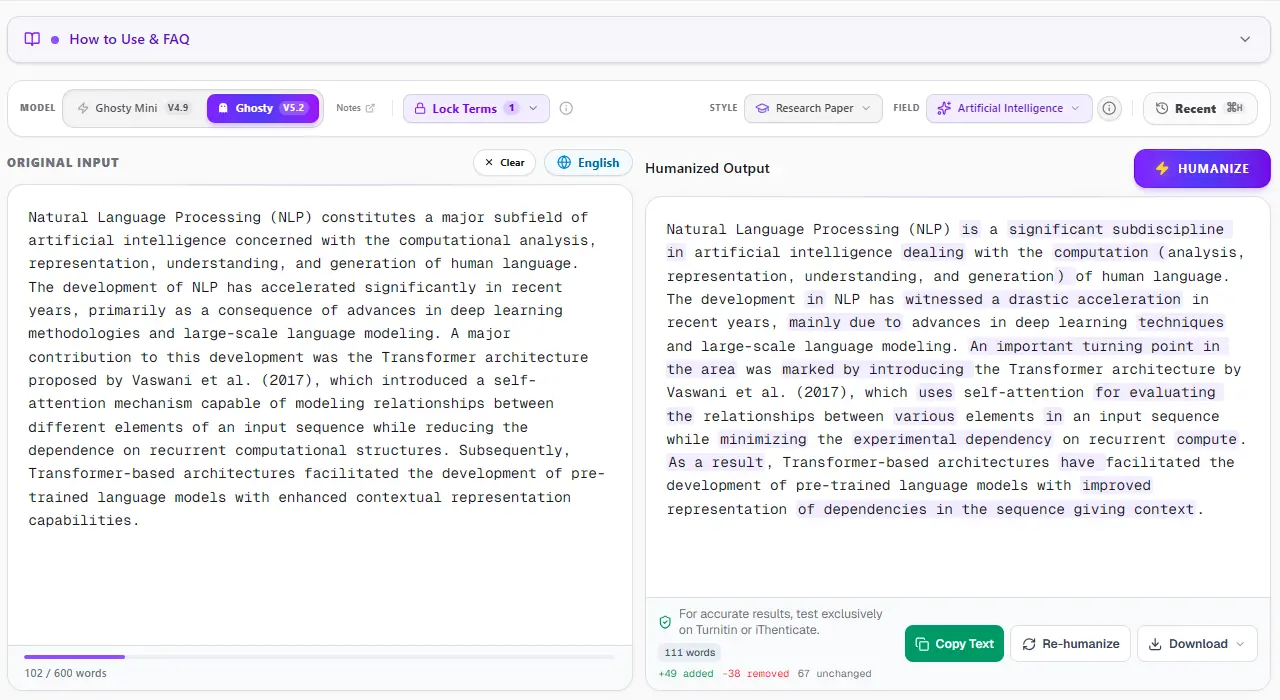
2. Turnitin & iThenticate Verification: 0% AI Detected
Turnitin and iThenticate scan submissions in overlapping 500-token blocks to analyze sentence predictability across paragraphs. When an unrefined AI draft is submitted, uniform cadence triggers an elevated AI Writing score. In the verified report below, a flagged graduate paper was processed through ThesisHuman, achieving a clean 0% AI detection score while preserving all formatted citations and technical parameters.
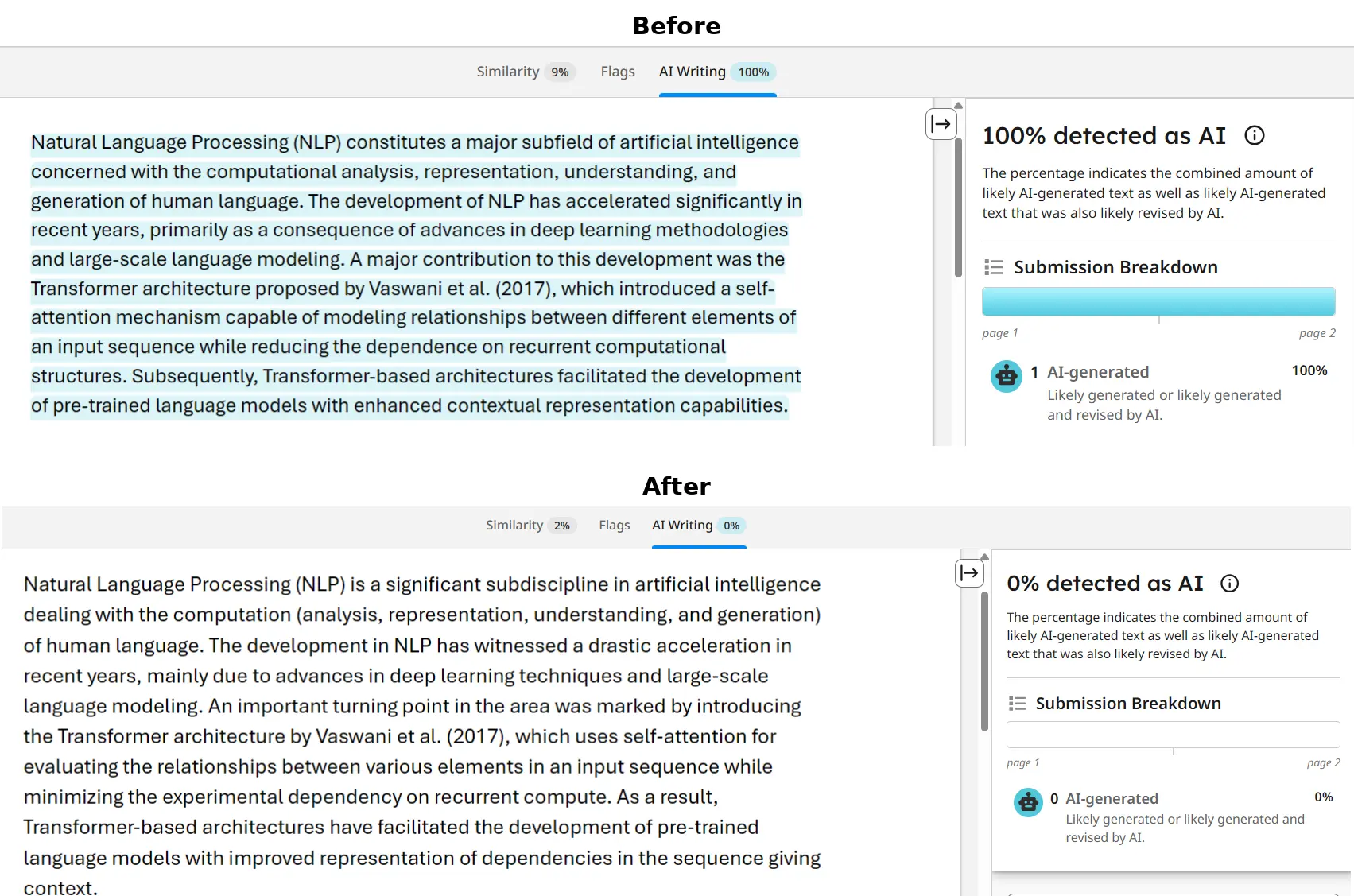
3. GPTZero Verification: Passing Perplexity & Burstiness Checks
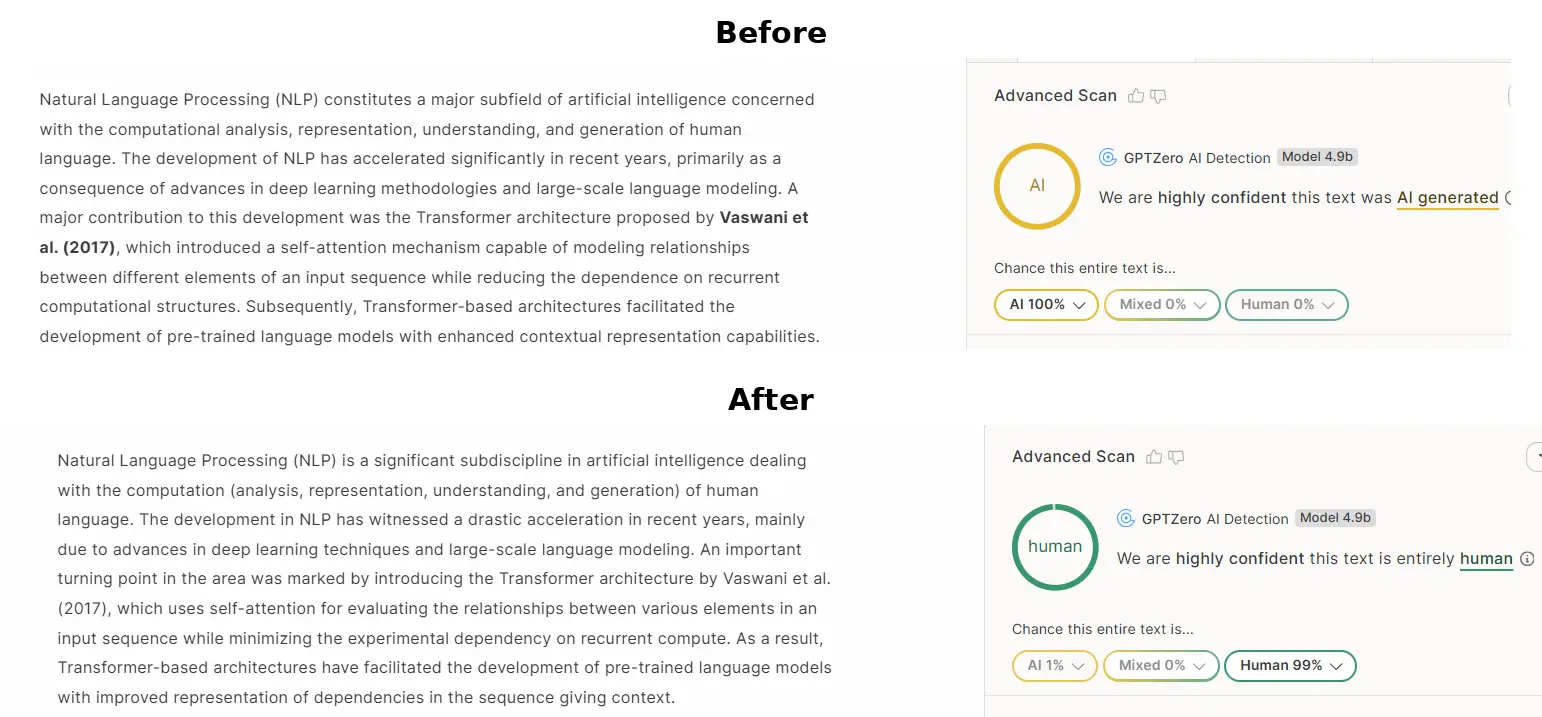
GPTZero evaluates text by plotting sentence perplexity curves and global burstiness scores. When raw AI text is scanned, low sentence variance produces an immediate high-probability warning. ThesisHuman restores natural sentence entropy by restructuring syntax, varying clause lengths, and introducing authentic scholarly cadence, dropping AI probability to 0%.
4. Originality.ai Verification: 0% AI Confidence
Originality.ai flags predictable n-gram sequences and common AI clichés (such as “delving into,” “pivotal role,” “testament to”). ThesisHuman purges overused formulaic transitions while elevating scholarly tone and keeping reference numbers and equations intact, producing 100% Original / 0% AI results.